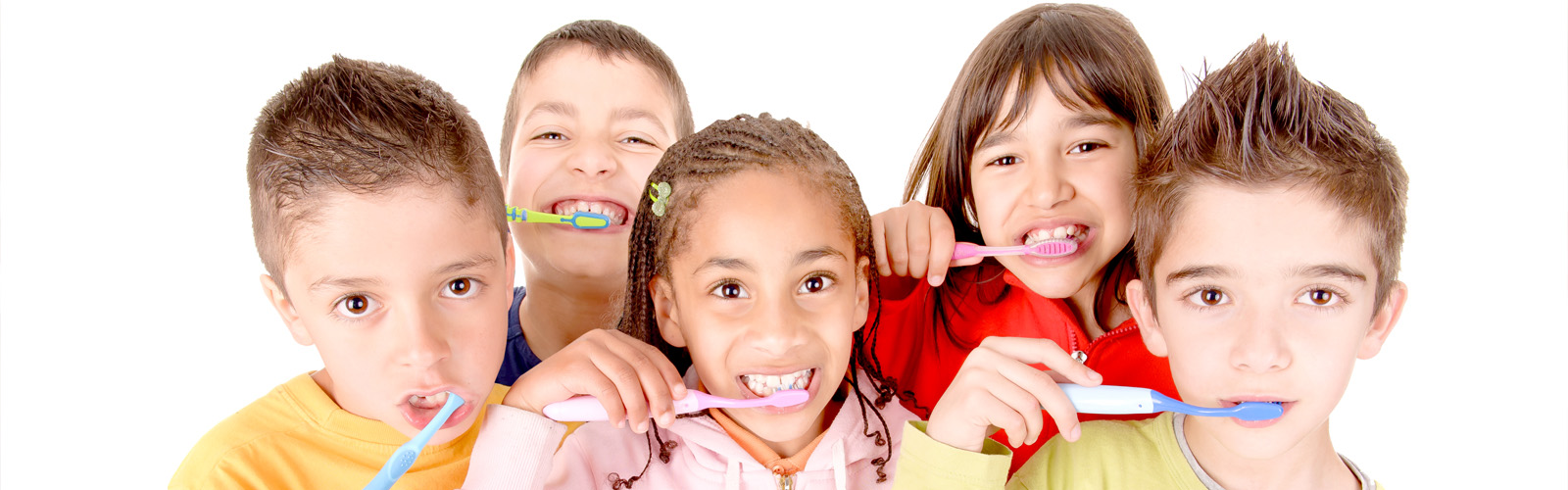
Good Dental Habits for Kids
Children who learn proper oral hygiene from a young age are more likely to maintain these habits into adulthood, reducing their risk of cavities, gum disease, and other dental problems.
Clear, useful guidance from the team at Smile Blvd Dental.
Children who learn proper oral hygiene from a young age are more likely to maintain these habits into adulthood, reducing their risk of cavities, gum disease, and other dental problems.
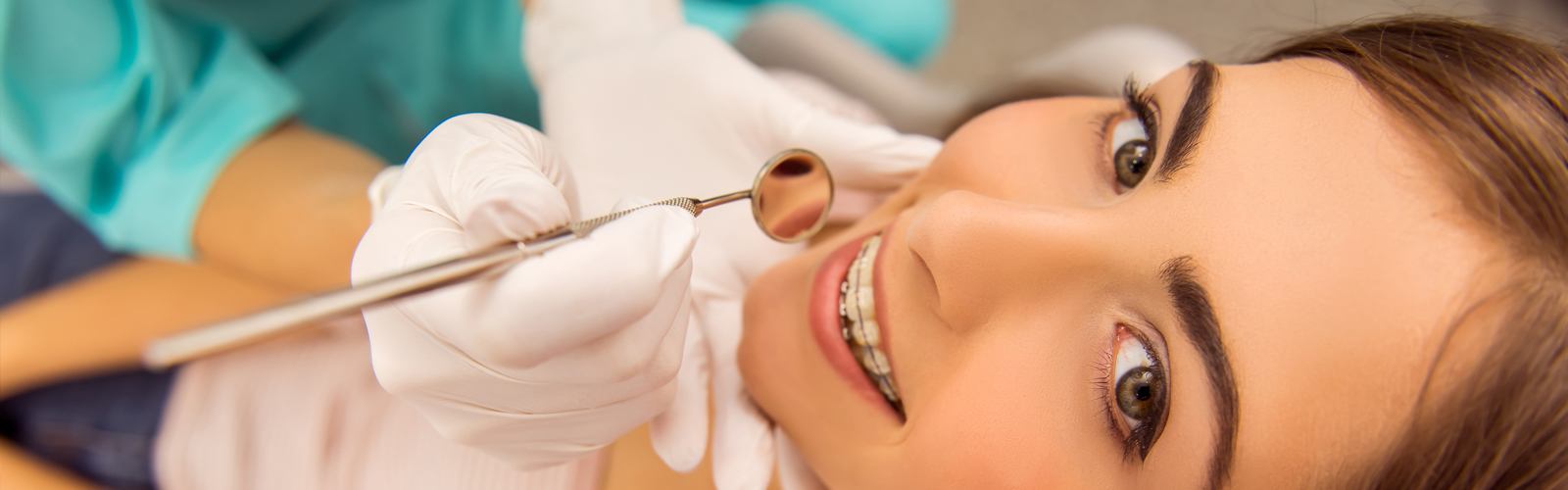
Learn how routine dental cleaning not only enhances your smile but also safeguards against costly dental procedures.

Flossing is the unsung hero of oral health, and in this blog post, we’ll explore why it’s so important and provide you with tips on how to make it a regular part of your dental care routine.

Why does my crown tooth hurt? What might cause pain in a tooth that has a crown? It can be challenging to pinpoint the source of tooth pain, but it’s essential to see your dentist for routine check-ups and any changes in symptoms, even if you have no pain. For example, if your crown is not placed correctly, it can cause tooth pain. In addition to checking for any of the above causes of tooth pain, your dentist may perform a root canal or remove the crown to correct the problem. Make sure to schedule an appointment sooner rather than later, as pain in a tooth with a crown is usually a sign of something more serious. Should my temporary dental crown hurt? If you’re experiencing pain or discomfort with your temporary dental crown, don’t hesitate to contact your dentist as soon as possible. This is especially important if there has been a change in the color, shape, or size of your teeth – this could mean the crown is not fitting correctly. Furthermore, crowns are usually made of a different material than gum and bone, which can cause pain when it’s not done perfectly. Finally, if you experience discomfort with the crown, please speak to your dentist immediately for further guidance on alleviating the problem. How long does a tooth hurt after a crown? Tooth pain after crown There’s no one-size-fits-all answer to this question, as the pain experienced after having a height may vary from person to person. However, most people with crowns say they usually experience relief within a few weeks of the procedure. If the pain persists or worsens, you must visit your dentist for an evaluation. They may be able to diagnose any dental decay or other issues that are causing discomfort and fix them right away! Also, crowns are generally more durable than teeth without them, so even if yours starts feeling loose over time, it’s probably not going to disintegrate. In cases like these, your dentist might recommend replacing the crown with a new one instead of just putting in another temporary filling (which could ultimately cause more damage). How do I know if my tooth crown is infected? Tooth crowns are a relatively recent addition to the dental landscape, and they are susceptible to infection. If you experience pain or discomfort in any tooth with a crown, it is most likely due to an illness. See your dentist as soon as possible to treat this situation and prevent further damage. Crowns can be removed if the infection becomes too severe – however, this should only be done after consulting with your dentist first and based on their assessment of the situation. In some cases, crown removal may also require root canal treatment for the tooth root to heal correctly. Always visit your dentist regularly for check-ups and dental care, so you don’t have to go through these situations in the future! When to see a dentist Tooth pain is never fun, but getting it checked out as soon as possible is essential. It could be the first sign of more severe problems, like cavities or gum disease. If you’ve had a recent accident that caused tooth damage, visit a dentist too! A dentist near me can help you restore your tooth’s health and restore your smile. Come and visit one of our Smile Blvd Dental locations and schedule a visit. Your dental crown may not fit properly. Using a dental impression kit may be the best solution if you have dental crowns and are unsure if they fit correctly. This will help to ensure that your height is perfectly placed on your tooth and doesn’t cause pain or headaches. If there are still any doubts, always see a dentist for a proper fitting and restoration of the crown. In the worst-case scenario, if it does not fit properly, it could lead to pain or even decay of the tooth root below the height. You may be grinding your teeth. If you are experiencing tooth pain, it is best to consult a dentist as soon as possible. A dental professional can diagnose the root of the problem and prescribe the right course of treatment. For example, if your teeth are grinding together, this could cause pain in your mouth and even a toothache. In addition, crown teeth are particularly prone to wear and tear, so it’s essential to take care of them by visiting the dentist regularly for check-ups and repairs. Your tooth’s nerve may be inflamed. If you suffer tooth pain, it is probably because of an inflamed nerve. A dental problem or tooth infection can cause this, and the dentist will most likely need to treat the nerve to resolve the discomfort. In some cases, removing the tooth may be necessary. If this does not work, treatment might also involve putting a local anesthetic into the area so that you won’t experience pain during surgery. Afterward, your dentist will check on your progress regularly to ensure that the nerve’s inflammation is controlled and any future problems do not arise. The gum tissue may still be irritated. If you are experiencing pain in the gum area, it is best to consult your dentist for a proper diagnosis. Infection may be the root cause of discomfort and should be treated with antibiotics accordingly. Once the infection is under control, regular dental check-ups will help identify any other problems that might still exist. If you experience any pain or redness/swelling in this region, make an appointment immediately! How to treat dental crown pain Dental crown pain can be a real pain. If you’re experiencing it, here are a few things you can do to ease the pain and discomfort: 1. Slow down your chewing habits – Crowns are more likely to hurt when torn apart by your teeth. 2. Drink water regularly – Fluid intake helps decrease the chance of developing tooth decay and gum disease. 3. Take ibuprofen or acetaminophen as directed – These medications will help reduce the inflammation and swelling caused by crown pain. Pain medications There are various medications you can use when it comes to pain relief. Prescription drugs or over-the-counter remedies are both effective in relieving pain. However, be sure to consult your dentist first, as they may advise against taking certain medication types. If dental crowns are causing discomfort, then the best option would be to visit the dentist and get them replaced with regular teeth at the same time. Heights can often be relatively weak and prone to breaking – so make an appointment soon if this happens! Saltwater rinse Saltwater rinses are an effective way of relieving pain and removing bacteria from teeth. When used with tooth brushing, they can help treat infection and crown pain. Tooth crowns are covered by a layer of hard enamel and dentin, which makes them more vulnerable to infection. Using saltwater rinses regularly can help reduce the risk of dental decay and gum disease developing on this type of tooth. Herbal remedies Dental crown pain is a common issue that can be effectively treated with herbal remedies. These remedies can be cooked or mashed and put into toothpaste or mouthwash for relief. Some of the most popular ones include ginger, garlic, and horseradish. It is best to consult a dentist if the pain is severe and lasts more than two days. Problematic foods Foods that cause discomfort when eaten in a crown can include those with acidic properties, such as citrus fruits and juices. The rigid material of the crown may also irritate the gum tissue and teeth, leading to pain. To avoid this pain, it is essential to abstain from eating these types of foods for at least 2-4 hours before your appointment. If the pain is severe, you may need to replace the crown. Four ways to help relieve tooth crown pain Tooth crown pain can be a real pain. Fortunately, there are several ways to help reduce pain and discomfort. One of the most effective ways is to drink plenty of water. This will help reduce pain and inflammation and also clean the teeth. Swishing warm salt water around your tooth every hour or two can also effectively clean it. If tooth crown pain is severe, you may want to try ibuprofen or acetaminophen (Tylenol) before bedtime. Finally, a healthy diet with fibrous foods like fruits and vegetables can also help reduce pain and discomfort. If tooth crown pain persists, visit our clinic. If you’re experiencing tooth crown pain that doesn’t seem to go away no matter what you do, it might be worth visiting our clinic. We can help identify the root of the problem and provide relief with various dental treatments or over-the-counter medications. In some cases, surgery may also be necessary. It’s essential to keep a diary of your symptoms to determine if a pattern can be followed and treated accordingly. If the pain persists despite taking care of it at home or following prescribed treatment, it’s best to consult us for an expert opinion and treatment plan specifically designed for your case. You’ll get better results that way! Conclusion Crown pain is one of the most common dental problems and can be frustrating. If you’re experiencing pain in a tooth that has a crown, don’t hesitate to see your dentist. There are a few simple steps you can take to help relieve the pain, and your dentist will be able to recommend the best course of action for you. Remember that tooth crown pain typically goes away on its own after a few days, but if the pain persists or worsens, please see your dentist as soon as possible. Thank you for reading!
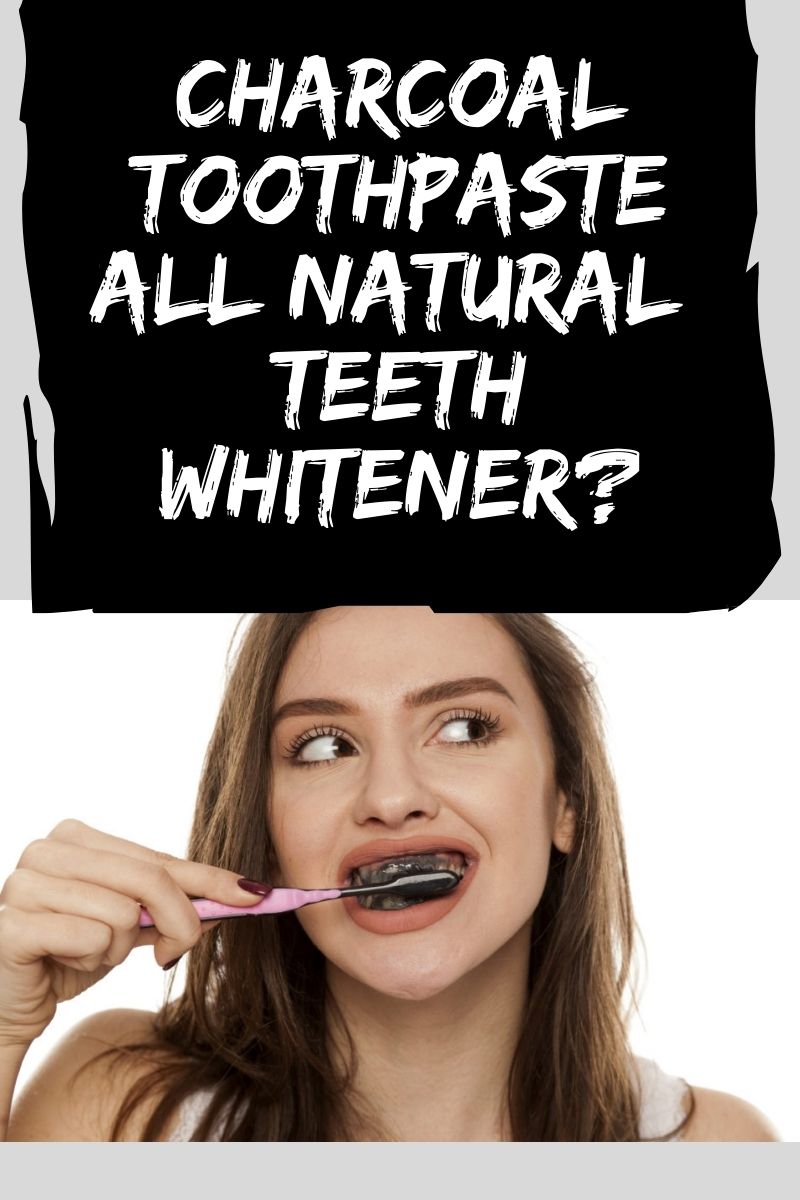
Charcoal is one of the world’s most popular wellness and cosmetic trends. It has become a popular component in commercial face masks and scrubs, as well as some individuals who swear by it for whitening their teeth. The claims are many such as a natural teeth whitening agent removes extrinsic stains and is a natural way to remove plaque while preventing tooth decay. Does charcoal toothpaste help in the process of teeth whitening? This article will give you some facts and a bit of history on what it is and why people believe it’s a trend to improve their oral health. Black Toothpaste? White Teeth ? Activated charcoal toothpaste is a type of toothpaste that contains charcoal as one of its main ingredients. It is said to be very effective in removing plaque and other debris from teeth and gums, and it also helps to whiten teeth. It was discovered that activated charcoal can help remove plaque and other debris from teeth and gums and whiten teeth after it was used for many years to treat poisonings. Some die-hard fans love the product. You can see thousands of reviews for multiple toothpaste brands that have activated charcoal as the main ingredient. Brands such as Hello, Detna Expert, Sensodyne, and Cali White have products that do relatively well on Amazon. Statistics on Charcoal Toothpaste Teeth Whitener Source: Grand View Research What is Activated Charcoal? Activated charcoal is a type of carbon treated to make it highly porous. Because activated charcoal is so porous, it’s a fantastic cleaning machine — powerful enough to be used to remove poison from people’s bodies. Doctors have been using it to save lives for hundreds of years. It’s nature’s immediate detox agent. When some accidentally swallow poison or chemicals they want out, they would take activated charcoal pills, and it will absorb the chemicals. How Does Activated charcoal work? The most important thing about activated charcoal is that it adsorbs rather than absorbs. Adsorption is a process where substances bind to a surface. When something is absorbed, it’s drawn into the body of the adsorbent (in this case, charcoal). When something is adsorbed, it sticks to the surface of the adsorbent. For example, suppose you spill wine on a white shirt. In that case, you can pour some activated charcoal on the stain, and it will eventually disappear as the charcoal adsorbs the color from the wine. The same thing happens in your gut when you take charcoal pills. The charcoal binds to the toxins in your stomach and then passes through your system, taking the toxins with it. Activated charcoal is often used as a natural treatment for gastrointestinal issues like indigestion, diarrhea, and bloating. It’s also used to treat hangovers and reduce gas and bloating. But in terms of dental care in toothpaste, it absorbs bacteria and stains on your teeth to give them a white and clean feel after you brush with it! Charcoal Toothpaste Sheffield on Amazon Picture source: Hello Activated Charcoal on Amazon Who Invented Charcoal Toothpaste? In the mid-1870s, Dr. Washington W. Sheffield, a respected dentist from New London, Connecticut, invented a ‘creme dentrifice’ for his patients, replacing the tasteless powders of the time. Dr. Sheffield’s new product was toothpaste, which he named Dr. Sheffield’s Creme Dentifrice. One of the main ingredients in his toothpaste was charcoal. Charcoal can absorb impurities and remove stains when brushing because – once activated and incorporated into toothpaste – it can absorb pollutants and stains. Dr. Sheffield’s Activated Charcoal safely removes plaque, food fragments, and stains from offenders such as coffee, tea, and wine. Dr. Sheffield’s toothpaste is creamy black and uniquely made with activated charcoal from eco-friendly, sustainable coconut husks. It has a genuine peppermint taste and coconut oil for a fresh, creamy natural flavor that tastes great. It also includes natural pectin taken from orange peels and aloe vera, which helps to retain moisture by soothing the mouth. One of the reasons charcoal toothpaste is so popular is because it is a natural product. It doesn’t contain any harsh chemicals, and it is said to be very effective in removing plaque and other debris from teeth and gums and whitening teeth. So anyone looking to improve their dental health without chemicals is drawn to its simple ingredients. It’s a bonus to have its whitening natural bleaching agent to give a natural whitening effect. What are the claims for activated charcoal toothpaste? Proponents say charcoal toothpaste provides cosmetic and health benefits. A new study conducted in 2022 on charcoal toothpaste found no differences in the whitening effect. The evidence to prove the effectiveness of charcoal toothpaste in treating the symptoms of bacterial infections is not convincingly strong. – WHITEN TEETH AND REMOVE STAINS -Natural ingredients without lots of chemicals -It’s safe, and it works! (according to the thousands of reviews out there!) So what’s the catch? Does it work? Keep in mind that the evidence on charcoal toothpaste itself is limited. There are just not enough studies to determine if it works and how long you would have to use it to see results. However, many studies show it works just like most toothpaste on the market, and the evidence is nonconclusive on its effectiveness. The main thing you want to be careful of is the abrasiveness of charcoal. It can be harsh on your tooth enamel if used too often or incorrectly. Be sure to follow the directions on the charcoal toothpaste you use and be careful with any new products. It may be safe in the short term but just see how your teeth feel. Everyone is different, so before diving right in, research and ask your dentist for their professional opinion. The American Dental Association has not found any evidence that charcoal toothpaste is effective for whitening and may harm the teeth and gums. In addition, activated charcoal is abrasive, which can scrape away the outer layer of the tooth called the enamel. The final thought is toothpaste, and dental care is a very personal decision, and the best way to try if it works is for you to try it. We think it will work for you if you want the benefits of charcoal without any chemicals. Who wouldn’t want to have whiter teeth and fresher breath? We all know charcoal can be a bit messy, so if you are someone who is constantly on the go, maybe this isn’t the toothpaste for you. For those charcoal beginners, we recommend Dr. Sheffield’s Activated Charcoal Toothpaste. Dr. Sheffield’s is safe and effective for everyday use! Do you think charcoal toothpaste is something you would try? Have you tried it before? Let us know in the comments below! Otherwise, we say give it a try! You might be surprised by the results! Questions? Setup an appointment at the best dental office in Richardson, TX This article is for educational and informative purposes and is not meant to be health or medical advice. A physician or other qualified health provider should always address any questions about a medical condition or healthcare goals. Source: www.sheffieldpharma.com
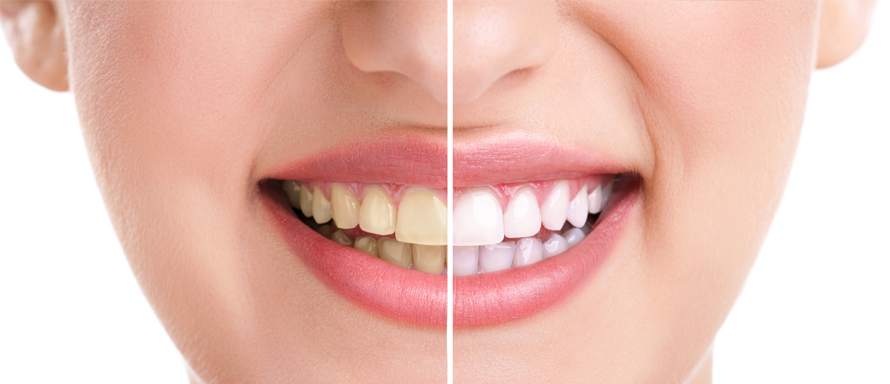
Teeth Whitening: The Start of a more confident you! Everyone deserves to feel confident and look their best. A bright smile is one of the quickest and easiest ways to make a great impression. Not only does it make you look more approachable and friendly, but it also conveys confidence and success. Teeth Whitening with a great dental office is the most effective and shows immediate results for improving your smile! Studies have shown that people with brighter smiles are more likely to be competent and reliable. They are also more likely to succeed in their personal and professional lives. So if you’re looking for a way to boost your confidence and image, start by flashing a bright smile. It could be the best decision you ever make. According to a survey conducted by Kelton Global for the AACD, 48% of American adults believe a smile is the most memorable feature after meeting them for the first time ( AACD ). Teeth Discoloration: The need for teeth whitening The tooth colors are directly correlated with age. Over time, stains form, and dark teeth become darker due to wear and tear. Young children will immediately experience the dramatic effects of whitening. Depending on the age and yellowing of the to, the process will need more time to complete before it’s fully healed. In the 50s, yellow was replaced by brown, and maintenance as possible. By the early 50s, teeth absorb numerous stains and can be hard to remove. We all have an inborn tooth color that ranges from yellow-brown to gray and intensifies as it passes. Shade guides for teeth whitening The teeth’ color measured before and after is usually measured using shades and guides. They are handheld dispenses that display many tooth colors. ( Dentists also use this information to choose the color for the crowns ). It is also the standard guide for classic shades. This shade guide standard contains 16 shades, grouped systematically between light to dark in four colors, and gives the universal tooth-color terminology. Although whitening can often brighten teeth with nine or more shades, many who bleach teeth will see an improvement of 2 to 7 shades. What percent of people use teeth whitening? According to Statistica , 37.0 million Americans will use tooth whiteners in 2020 . This figure is projected to decrease to 35.22 million in 2024 What are your whitening options? There are three primary teeth whitening products available today. They all use different concentrations of peroxide and have other application times. Here is a brief overview of each: 1. In-office dental office teeth whitening This is one of the most effective methods and involves carefully applying a highly concentrated gel peroxide to the teeth by a dental technician or trained professional. The peroxide stays on the teeth for 15 minutes before being rinsed off. This is the best result and gives an immediate return on your investment. It may cost a bit more, but you see it immediately, and it works! Request an appointment with the best dental office in Richardson! 2. At-home kits These are available online and typically range in price from $50 to $200. They usually involve using a tray or strip soaked in peroxide placed on the teeth for a specified time. There are hundreds to choose from, and you do this every few months. You may try a few out and compare how you feel, and your teeth look. 3. Toothpaste Some toothpaste contains charcoal or baking soda, which can help to whiten the teeth. In addition, some toothpaste has peroxide as an active ingredient. There are many options for this as this is a daily practice that may enhance your teeth whitening quest. Tooth Discoloration: Extrinsic vs. Intrinsic Staining The teeth have two types: intrinsic stain and intrinsic. Extrinsic stains occur in the teeth when exposed to the darkest foods or drinks, routine cleaning, and frequent wear and tear. Superficial extrinsic staining is minimal and can be eliminated by brushing or preventative dentistry. Stubborn extrinsic stainings are easily removed using more intensive techniques. Occasionally extrinsic stains will penetrate the dentin and ingest a dentin layer if left unaffected. As a result, stains inside teeth develop. How long can teeth whitening last? The effects of teeth whitening can last up to 2-3 years or as little as 6 months. After that, it varies from person to person. Things that will stain your teeth quickly and make your whitening short-lived include – Smoking, drinking coffee daily, and drinking wine and soda. If you want to maintain your white smile, we recommend getting a whitening booster every 6 months. You can also try using at-home whitening treatments like whitening toothpaste, mouthwash, and strips regularly. Teeth Whitening Richardson Dental Teeth Whitening Statistics According to the American Academy of Cosmetic Dentistry, 96% of Americans believe that a white smile is an important social asset. The statistics on the whitening of teeth are as follows: – 47% of people use over-the-counter whiteners – 71% of people who use whiteners use home-use whitening products – 62% of people who use whiteners use in-office teeth whitening treatments Professional Teeth Cleaning Suppose you are looking for a whiter smile. In that case, you may consider getting your teeth cleaned professionally by a great dentist. Professional teeth cleaning can remove stains and plaque built up over time. This type of cleaning is usually done by a dental hygienist. The cost of professional teeth cleaning varies, but it is typically less expensive than other whitening options. Request an appointment with the best dental office in Richardson! The best way to achieve long-lasting results is to get your teeth professionally cleaned and then maintain your oral hygiene at home. The following are some tips for maintaining whiter teeth: Brush your teeth at least twice a day. Floss at least once a day. Use mouthwash to help prevent plaque buildup. Avoid smoking and drinking coffee, tea, or red wine. Visit your dentist regularly for professional cleanings and checkups. Preparing for Your Treatment Teeth whitening can be reasonably straightforward, but you must start with the basics before whitening your teeth. Make a regular appointment to get teeth whitening every six months. Dental work is necessary for your teeth and gums to function correctly. Visiting a dentist every three months for a dental checkup is essential for a successful oral wellness check. However, you must maintain a healthy oral hygiene routine and brush your teeth as soon as possible during your appointment. An Examination of Tooth Enamels Most Americans have sparkling teeth that are covered in porcelain enamel. Dental enamel is a microscopic crystal-shaped rod that helps protect teeth from a sugar attack. But as time passes, the enamel will become thinner and transparent, allowing more dentin yellow to shine through. In addition, dentin retains elasticity during normal chewing. As a result, millions of tiny dents are present. These swollen cracks and gaps are a part of the pores of crystalline enamel, which gradually accumulate stains and dust. If not cleaned, these stains will set. The Different Types of Dental Enamel There are three types of dental enamel: inner, outer, and cementum. The enamel that covers the crowns of teeth is known as outer enamel. It is the hardest and most resistant to wear. Inner enamel is found on the root surfaces of teeth and is softer than outer enamel. Cementum is a hard, bony material that covers the root surfaces of teeth. How Does Enamel Work? The enamel protects the tooth from external influences by providing a barrier. The mineral hydroxyapatite is found in bones and teeth. Sodium, calcium, and phosphorus make up hydroxyapatite. These atoms form a lattice-like structure when they are put under high pressure. This structure gives enamel its strength. How Does Enamel Become Worn? Enamel can become worn down by acidic foods, drinks, and toothpaste. It can also be worn down by brushing too hard. Enamel can also be damaged by grinding or clenching teeth. When enamel is worn down, it becomes thinner and more translucent. This makes the yellow dentin underneath the enamel more visible. Enamel Loss: Causes and Prevention There are many reasons why enamel loss occurs. It can be caused by acidic foods and drinks, tooth grinding, and clenching. It can also be caused by dental diseases such as dental caries. To prevent enamel loss, it is essential to brush your teeth gently with a soft-bristled toothbrush. You should also avoid acidic foods and drinks. If you grind or clench your teeth, you should see a dentist to get fitted for a mouthguard. What Is Dentin? Dentin is a hard, bone-like tissue that makes up the bulk of the tooth. The crown of the tooth is covered by enamel, while the root is covered by cementum. Dentin is yellow in color and becomes more visible as the enamel becomes thinner. Dentin comprises microscopic tubes that run from the pulp chamber to the dentin surface. These tubes are filled with nerve endings that allow for sensation. Dentin is also made up of minerals, such as calcium and phosphate. Dentin is softer than enamel and is more susceptible to wear. It can also be damaged by acid or by brushing too hard. When dentin is exposed, it can cause tooth sensitivity. Using a soft-bristled toothbrush and avoiding acidic foods and beverages can prevent tooth sensitivity. If you have tooth sensitivity, you can use desensitizing toothpaste. What is laser teeth whitening? It took decades to whiten the teeth by using distilled water to lift stains that needed many treatments to get results. Thanks to technology, the procedure is faster – using Lasers sparked by chemical reactions in the solution also allows teeth to be whitened considerably quicker. Zoom teeth whitening is the most commonly performed procedure for whitening teeth using a laser. This service is only available on-site. Ingredients of Zoom: -Water-based hydrogen peroxide -Laser (light) – More than 14 million teeth whitening procedures were performed in the United States in 2016. – The average cost of a laser teeth whitening procedure is $1500. It is one of the most expensive – Laser teeth whitening is becoming an increasingly popular cosmetic treatment. How safe is teeth whitening? Most people don’t have any issues with teeth whitening. Some discomfort and sensitivity can occur during and after the procedure, but it usually passes quickly. In rare cases, people may have an allergic reaction to the bleaching gel. Talk to your dentist before getting the procedure done if you have any concerns. How much does teeth whitening cost? The cost of teeth whitening can vary depending on your chosen procedure and where you get it done. In-office systems are more expensive than at-home kits, but they usually get better results. The average cost of an in-office teeth whitening procedure is $300-570. At-home teeth whitening kits can range from $30 to $300. Laser teeth whitening costs the most, anywhere between $1000 to $3000 depending on your location. Brighten your smile with several shades in a single visit Your smile helps you express yourself well and makes a great first impression on new people. In addition, having a great smile will help you feel more confident, and your smile may be more open in private if you like it. A dental bleaching treatment is a simple way to improve confidence in a person’s smile. Even when applied with an in-office whitening solution, it will brighten your smile in several shades in one treatment. Some whitening procedures yield dramatic results after a single treatment, while others will whiten gradually over a few weeks. There are also some treatments where you aren’t likely to see very noticeable results. What’s the difference between bleaching and whitening? A new report from the FDA shows that teeth are not white when they have a color. The rules apply to only products containing bleach. On the contrary, “whitening” refers to restoring tooth color by removing dust. Any product used in tooth whitening can be considered white. Of course, whitening is better than whitening, so this is often used when describing a product that contains bleach. Some natural alternatives Baking soda: Baking soda might whiten your teeth, but its abrasiveness will likely harm enamel. There are many different baking soda toothpaste recipes available online. Do your research and try to see if you can get good results! Coconut oil: There are claims that coconut oil can help whiten teeth and improve oral health. However, there is no scientific evidence to support these claims. Charcoal Toothpaste Charcoal is one of the world’s most popular wellness and cosmetic trends. It has become a popular component in commercial face masks and scrubs, as well as some individuals who swear by it for whitening their teeth. The claims are many such as a natural teeth whitening agent removes extrinsic stains and is a natural way to remove plaque while preventing tooth decay. Read our extended blog on Charcoal Toothpaste here. Fruits and vegetables Eating certain fruits and vegetables, such as strawberries and pineapple, may help remove surface stains from your teeth. Water Drinking plenty of water can help rinse away food and drinks that can cause staining. It’s natural and perfect for your overall health! Whitening teeth is a popular cosmetic treatment that can improve your smile and confidence. In most cases, it’s safe and relatively affordable. However, it’s essential to understand the potential risks and side effects before you commit to treatment. The most common type of teeth whitening is bleaching, which uses chemical agents to remove stains and discoloration. While bleaching is generally safe, it can cause temporary side effects, such as tooth sensitivity and gum irritation. In rare cases, it may also damage the enamel on your teeth. If you’re considering teeth whitening, talk to your dentist about the risks and benefits. They can help you decide if bleaching is suitable for you and recommend the best course of treatment. Let us know your thoughts on teeth whitening and which method you will use to boost your confidence and have a sparkling smile! This article is for educational and informative purposes and is not meant to be health or medical advice. A physician or other qualified health provider should always address questions about your medical condition or healthcare goals.